How to Reduce Late Payments and Improve Business Cash Flow
Featured Solution Discover our Link-Pay-Bank solution


How to Improve Cash Flow and Reduce Late Payments in Your Business


For many businesses, debt isn’t caused by poor performance, it’s caused by slow payments.


Invoices go unpaid. Customers delay. Cash flow tightens. And suddenly, a profitable business is under pressure.


Improving how and when you get paid is one of the most effective ways to reduce reliance on debt and strengthen financial stability.
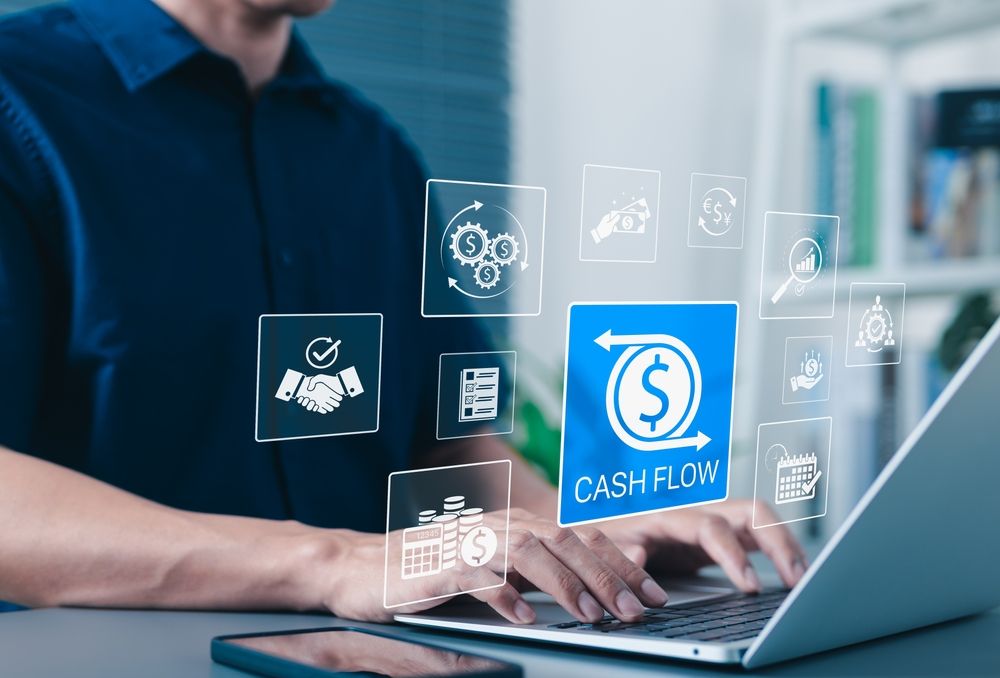
Business cash flow


Why Late Payments Create Business Debt


Debt often builds when cash doesn’t arrive on time.


Common causes include:


  • Customers delaying payments
  • Manual invoicing processes
  • Limited payment options
  • Friction in the payment journey


Even profitable businesses can struggle if revenue is tied up in unpaid invoices.


How Businesses Typically Try to Manage Debt


Most businesses respond to cash flow pressure by:


  • cutting costs
  • negotiating with suppliers
  • restructuring payments
  • increasing borrowing


While these can help short term, they don’t fix the root problem: getting paid faster and more reliably.


The Shift from Debt Management to Payment Optimisation


Modern businesses are moving away from reactive debt management and focusing on proactive payment strategies.


Instead of chasing payments, they are:


  • automating collections
  • reducing friction
  • offering flexible ways to pay
  • improving payment timing


This approach improves cash flow and reduces the need for external financing.
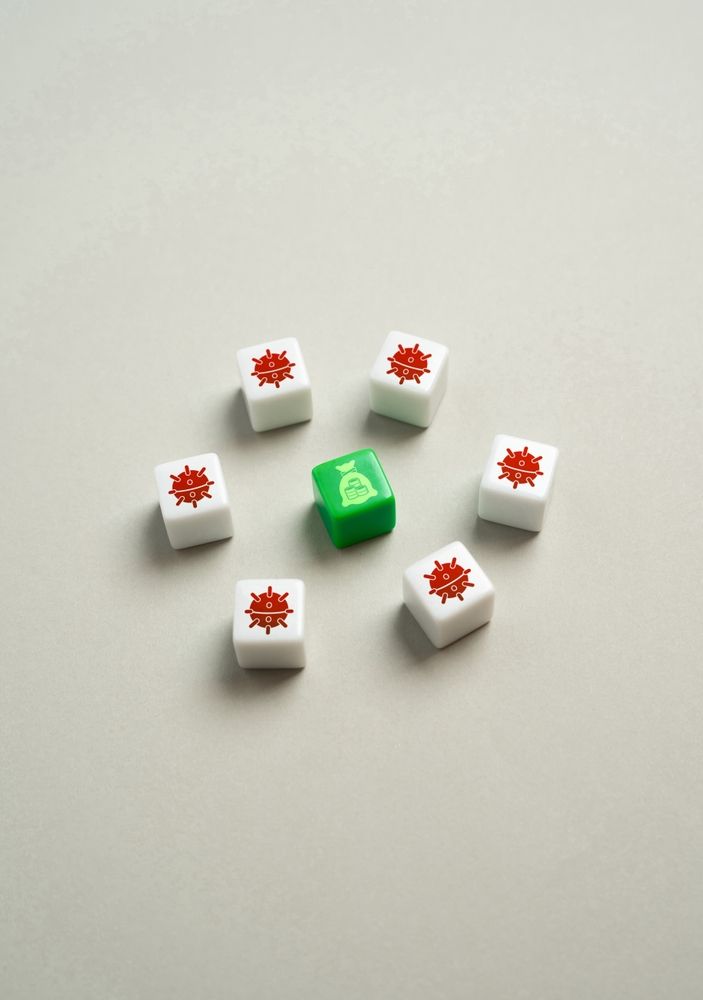
Managing business debt


How to Reduce Late Payments

1. Make It Easier for Customers to Pay

The harder it is to pay, the longer it takes.


Provide:

  • multiple payment options
  • simple, fast payment journeys
  • mobile-friendly experiences

2. Take Payments at the Point of Engagement

Waiting for invoices introduces delay.


Instead, take payment:

  • during a call
  • via messaging
  • immediately after agreement

3. Use Automated Payment Methods

Automation removes reliance on customer action.


Options include:

  • Direct Debit
  • recurring payments
  • scheduled card payments


These ensure payments are collected on time, every time.

4. Offer Flexible Payment Channels

Customers don’t all pay the same way.


Enable payments via:

  • SMS
  • email
  • phone
  • live chat
  • social platforms


This increases the likelihood of immediate payment.

5. Reduce Payment Friction

Every extra step creates drop-off.


Remove:

  • long forms
  • unnecessary redirects
  • delays between invoice and payment
Multi-channel payments


The Role of Payment Technology in Cash Flow


Payment systems now play a direct role in financial performance.


Modern platforms allow businesses to:


  • send instant payment requests
  • track payment progress in real time
  • automate collections
  • reduce failed payments


This turns payments into a controlled process, not an uncertain one.


How SOTpay Supports Faster, More Reliable Payments


SOTpay is designed to help businesses take control of their payment flow.


By enabling secure payment requests across multiple channels, businesses can:


This improves cash flow while reducing the operational burden of managing payments.

A Better Approach to Reducing Business Debt


Reducing debt isn’t just about cutting costs or restructuring finances.


It’s about improving how money flows into your business.


By focusing on:


  • faster payments
  • automated collection
  • reduced friction
  • better customer payment experiences


businesses can strengthen cash flow and reduce reliance on borrowing.


Explore Smarter Payment Strategies


If late payments are slowing your business down, improving your payment process is the fastest way to regain control. Explore the suite of payment automation solutions available via SOTpay's versatile payment systems, or request a no obligation demonstration of how it works from our team of payment experts.

Frequently Asked Questions

Why do late payments cause business debt?
Debt often builds when cash doesn't arrive on time. Delayed customer payments, manual invoicing and limited payment options tie revenue up in unpaid invoices, so even profitable businesses can come under pressure.
How can I reduce late payments?
Make it easy to pay with multiple options and simple journeys, take payment at the point of engagement, use automated methods like Direct Debit and recurring payments, and remove friction from the payment process.
What is the difference between debt management and payment optimisation?
Debt management is reactive: cutting costs or borrowing to cope with slow cash flow. Payment optimisation is proactive: automating collections and reducing friction so payments arrive faster and more reliably.
How does automation improve cash flow?
Automated methods such as Direct Debit, recurring payments and scheduled card payments collect on time without relying on customer action, reducing failed and late payments.
How does SOTpay help reduce late payments?
SOTpay lets businesses send secure payment requests across multiple channels, collect payments instantly, automate recurring payments and offer flexible ways to pay, improving cash flow and reducing manual follow-up.