Article by Jason Mace, founder of SOTpay and hotel owner.
Guests can now book rooms online in seconds, check in using their phones, unlock doors with keycodes, order food digitally, and communicate with hotel staff instantly through apps and self-service systems.
Hospitality has modernised rapidly over the last decade.
Guest expectations have shifted just as quickly. Convenience is no longer viewed as a bonus feature. It’s expected as standard.
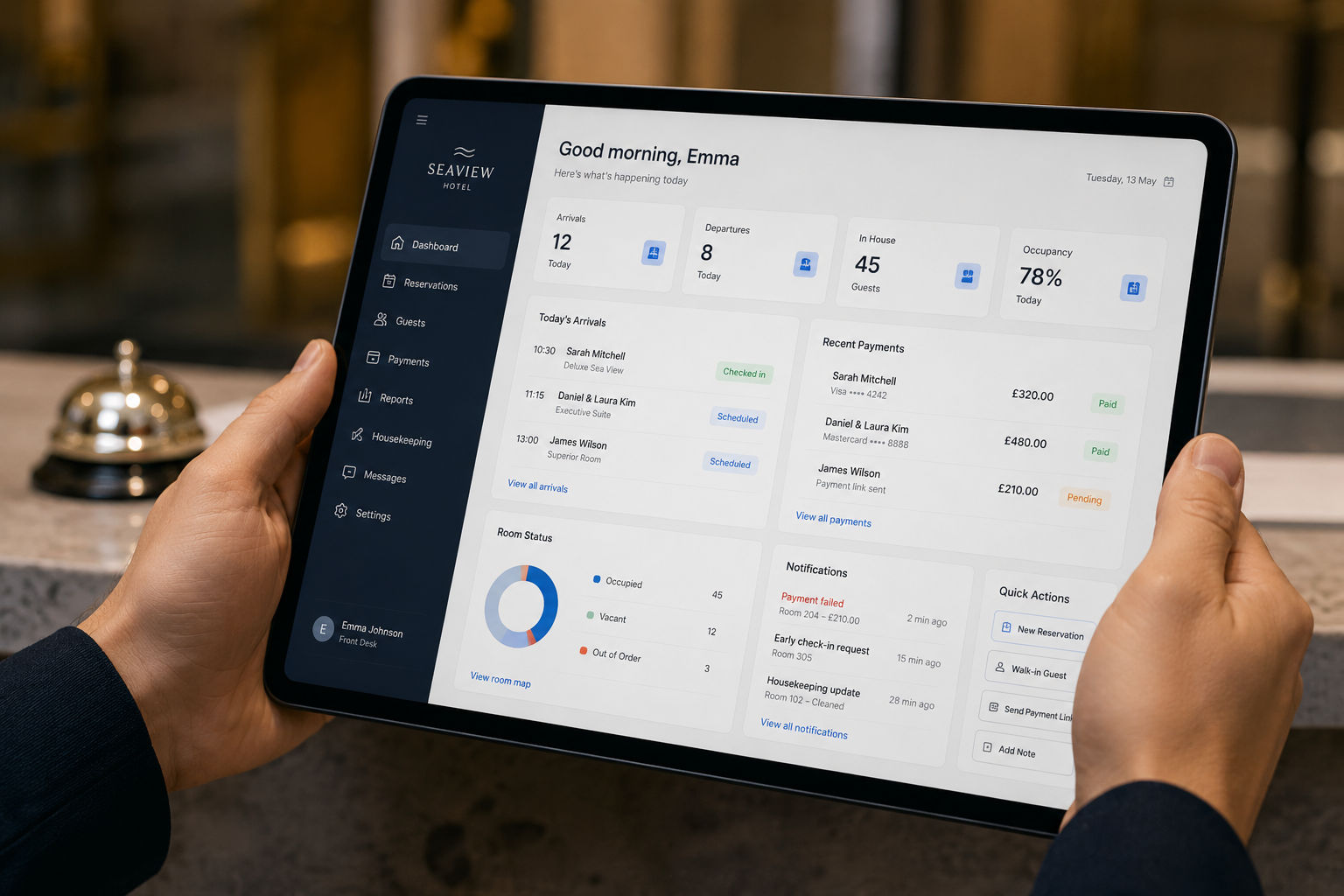
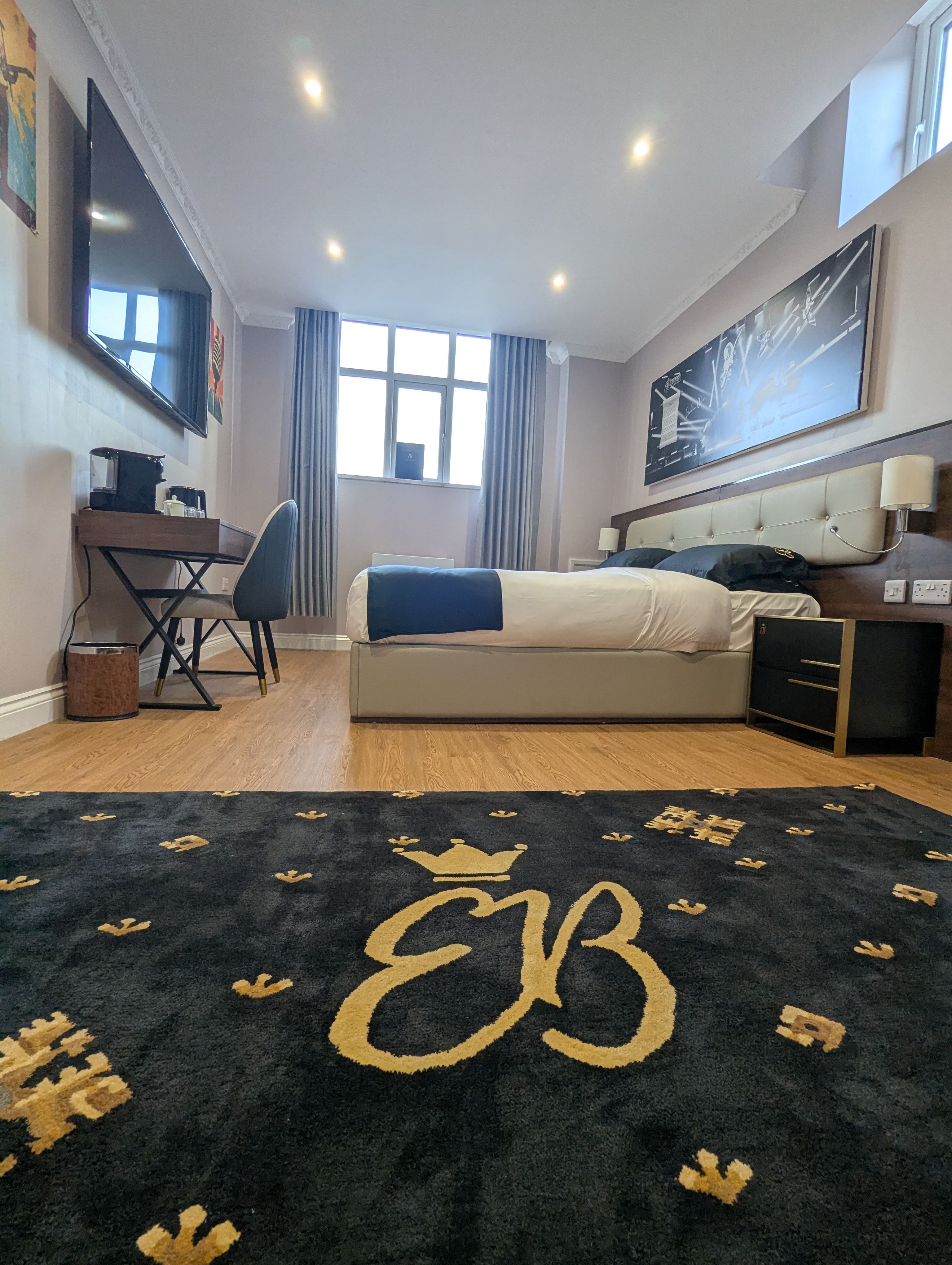
As someone who travels regularly for both business and leisure, I’ve seen hospitality businesses across the world investing heavily into creating smoother, faster, more seamless guest experiences. We’ve embraced that ourselves at Empress Rooms, one of our own hospitality businesses, where self-service guest access and secure keycode-based entry systems were designed specifically around convenience, flexibility, and reducing friction throughout the guest journey.
But despite all the innovation happening across hospitality, there’s one area that often still feels disconnected from the modern hotel experience:
Payments.
Many hotels still rely on fragmented payment processes, manual card handling, disconnected systems, telephone payments, separate reconciliation workflows, and awkward guest payment journeys that feel completely out of step with the rest of the experience they’re trying to create.
The contrast is becoming increasingly noticeable.
A guest can complete an entire booking journey digitally, arrive at a modern self-service hotel, access their room instantly, and communicate with staff through automated systems, yet still end up reading card details over the phone or chasing payment links through email chains.
That friction matters more than many businesses realise.

Because payments are no longer just an operational process sitting quietly in the background. Increasingly, they form part of the guest experience itself.
And when the payment journey feels slow, clunky, or disconnected, it undermines the wider experience hospitality businesses have worked so hard to modernise.
Part of the challenge is the sheer complexity hospitality businesses deal with every day.
All while balancing operational efficiency, guest satisfaction, staffing pressures, compliance, fraud prevention, and security requirements.
That operational balancing act has become significantly harder in recent years.
Most hospitality businesses are being asked to deliver higher service standards with leaner operational structures. Teams are expected to move faster, guests expect greater convenience, and businesses are simultaneously trying to protect already pressured margins.
Removing friction has become operationally important, not just desirable.
Two areas where that friction shows up most: paying at the table and handling tips under the new Tipping Act.
There’s also another growing challenge many hotels are actively trying to reduce: OTA dependency.
Online travel agents absolutely deliver visibility and bookings, but they also continue taking significant percentages from hotel revenue. For many hospitality businesses, increasing direct bookings and protecting margin has become a major priority.
But direct booking strategies only work properly when the payment journey itself feels seamless and trustworthy.
If guests book directly, then immediately encounter awkward payment requests, delayed confirmation processes, or disconnected communication afterwards, the convenience advantage quickly disappears.
That’s why payment journeys are becoming far more important within modern hospitality operations.
Increasingly, hotels are moving toward:
Not because it sounds innovative, but because it improves both operations and guest experience simultaneously.
That operational reality is one of the reasons SOTpay exists today.

The platform originally evolved from real-world frustrations surrounding remote payments, operational inefficiencies, fraud exposure, and disconnected customer payment journeys across our own businesses. Many of the same operational challenges hospitality businesses now face around guest payments, reconciliation, deposits, and remote transactions are problems we’ve experienced ourselves first-hand.
That’s also why hospitality has become such a natural fit for SOTpay’s approach.
The most effective hospitality technology rarely feels complicated to the guest.
It simply removes friction.
The hotels likely to lead the next decade of hospitality won’t necessarily be the businesses with the most technology. They’ll be the businesses that use technology intelligently to create experiences that feel effortless for both guests and staff alike.
And increasingly, payments are becoming a central part of that conversation.
Jason Mace
Founder, SOTpay & Empress Rooms
Jason Mace is the Founder of SOTpay and the entrepreneur behind Gala Tent, one of the UK’s leading event shelter manufacturers. With more than 25 years of experience building businesses across events, hospitality, ecommerce, and payments, Jason has developed a strong reputation for identifying operational inefficiencies and creating practical commercial solutions around them.
Alongside SOTpay, Jason also operates Empress Rooms, a modern self-service hotel designed around streamlined guest experiences, secure keycode access, and operational efficiency. His experience across both hospitality and payments provides a unique perspective on the growing importance of frictionless customer journeys within modern business operations.

Need to ask a question: Request a callback from the team
Need merchant support? Visit Merchant Support