Article by Jason Mace, founder of SOTpay and hotel owner.
Since 1 October 2024, the Employment (Allocation of Tips) Act has been in force across England, Wales and Scotland. For any venue where customers tip, it changed the rules on what happens to that money.
Over a year on, plenty of operators still are not certain what the Act asks of them, or whether their current tronc or tip-handling arrangement stands up.
The short version: tips belong to staff, in full, and you have to be able to show how they were shared.

The starting point is simple. 100% of qualifying tips, gratuities and service charges must go to workers. You cannot take card processing fees, admin costs, or the cost of running a tronc out of the tip pot. The only deductions are tax and the usual statutory ones, such as student loan repayments.
Tips also have to be paid promptly. The Act sets a deadline of the end of the month following the month the customer left the tip. Holding tips back beyond that is a breach.
And it is no longer a private matter. Qualifying tips are now treated as wages, so a worker who believes tips were withheld or shared unfairly can take it to an employment tribunal.
If your venue takes tips more than occasionally, the Act expects you to:
You do not have to split tips equally to be fair. You can weight allocation by role, hours, or a points system, as long as the method is clear and written down. One caution: a method based mainly on length of service can indirectly disadvantage younger staff, so the reasoning needs to hold up.
Many venues run this through a tronc, where an independent troncmaster handles distribution. A genuinely independent tronc is generally treated as allocating fairly, and it can carry National Insurance advantages. The independence is the part that matters. A tronc the employer effectively controls will not give the same protection.

None of this depends on the technology you use to collect tips. The duties sit with you as the employer. The right tools change how easily you can meet them.
The Act leans heavily on two things: fairness and transparency. Both are far easier when tips are captured cleanly and recorded automatically, rather than reconstructed from a cash tin and memory at the end of the month.
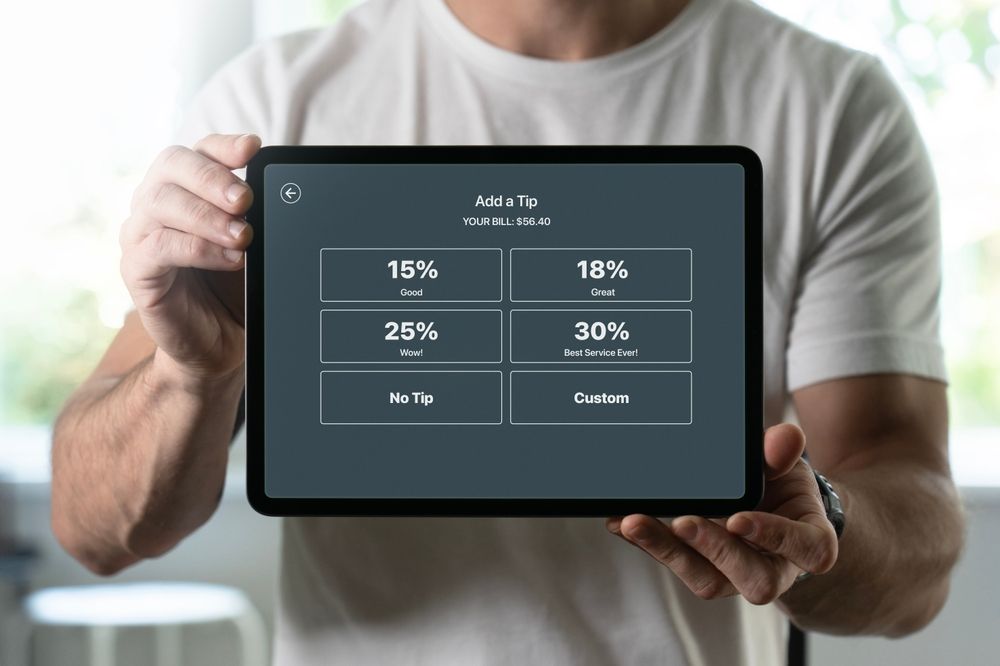
This is where a digital pay at table and tipping tool earns its place. When a guest settles the bill and adds a tip by scanning a QR code, the tip is logged the moment it is made. The amount, the table, and the time are all captured. That gives you the record the Act expects, keeps tips clearly separate from your own takings, and gives staff visibility of what they have earned.
It will not write your tipping policy, and it is not a tronc. It gives you clean data to build both on.
That is why we built TipLink.
This article is general information, not legal advice. If you are setting up or reviewing a tipping policy or tronc, take proper advice on your own arrangements.
Jason Mace
Founder, SOTpay

Jason Mace is the Founder of SOTpay and the entrepreneur behind Gala Tent, one of the UK's leading event shelter manufacturers. With more than 25 years of experience building businesses across events, hospitality, ecommerce, and payments, Jason has developed a strong reputation for identifying operational inefficiencies and creating practical commercial solutions around them.
Alongside SOTpay, Jason also operates Empress Rooms, a modern self-service hotel designed around streamlined guest experiences, secure keycode access, and operational efficiency. His experience across both hospitality and payments provides a unique perspective on the growing importance of frictionless customer journeys within modern business operations.

Need to ask a question: Request a callback from the team
Need merchant support? Visit Merchant Support