Article by Jason Mace, founder of SOTpay and hotel owner.
Think about the last good meal you had out. The food arrived quickly, the service was warm, the room felt right. Then you asked for the bill.
And you waited. You caught someone's eye, waited again, the card machine was in use on another table, it eventually came over, the split did not work first time, and a two-minute job stretched across the end of the evening.
That final stretch, paying, is often the slowest and clumsiest part of an otherwise well-run visit.

For the guest it is a mild annoyance. For the operator it is money.
A table that cannot pay is a table that cannot turn. On a busy Friday, the minutes lost per table at the paying stage are covers you never get to seat. The kitchen has done its job, the guest is ready to leave, and the only thing holding the table is the payment.
It is a staffing cost too. Someone is walking a terminal between tables, keying in amounts, splitting bills by hand, and coming back for a second tap when the first one failed. That is service time spent on admin instead of on guests.
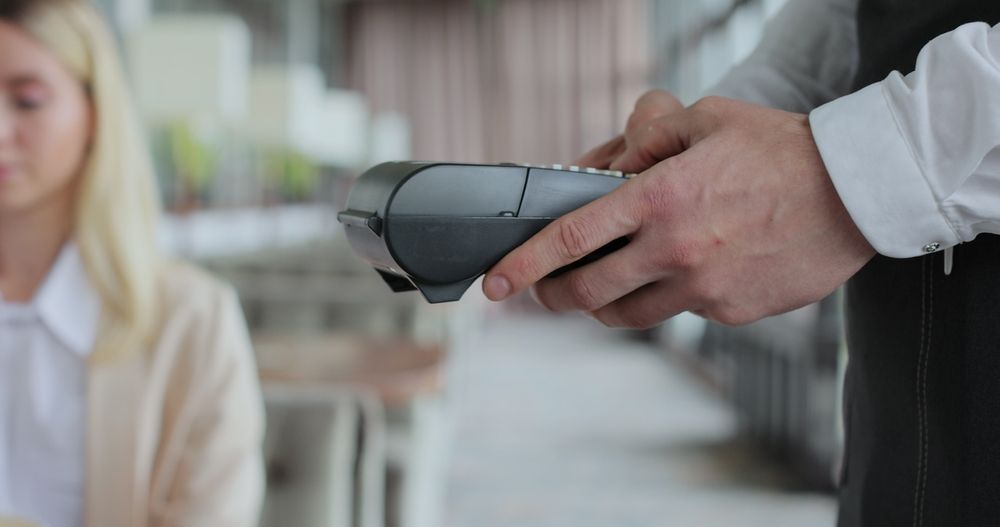
The usual fix for a slow bill is more hardware. More terminals, more devices to keep charged, more rental lines on the statement. The terminal was never really the point, though. It solved one problem, which was accepting the card. The waiting was never part of what it fixed.
The terminal model carries its own running costs:
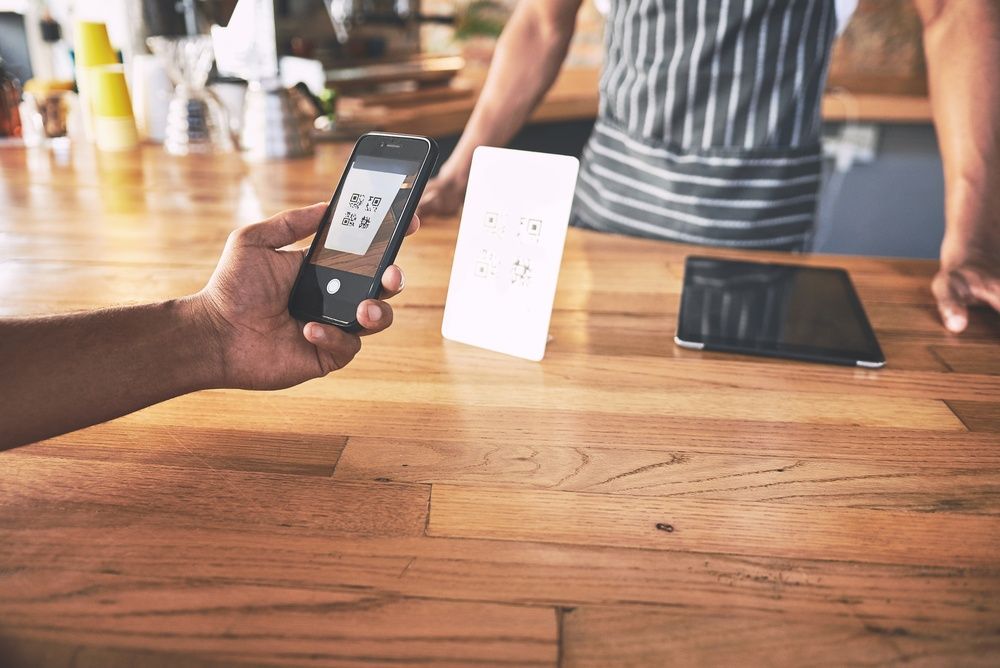
Pay at table moves the payment to the guest, at the moment they are ready to give it. A QR code on the table or the bill, scanned with the phone already in their hand. They see the total, split it if they want to, pay, and add a tip, without waiting for anyone to bring a machine over.
In one step, it removes:

The real question behind pay at table is a simple one: where in a visit should the friction be allowed to sit? The honest answer is nowhere.
The technology to do this is not exotic. Most guests already pay this way in other settings, scanning to pay for parking, for coffee, for a quick checkout. Hospitality is catching up to a habit customers already have.
Remove the wait at the end and you get faster turnaround, calmer service, and a better last impression, all from the part of the visit most venues still treat as an afterthought.
We built TipLink as a pay at table tool for exactly this reason.
Jason Mace
Founder, SOTpay
Jason Mace is the Founder of SOTpay and the entrepreneur behind Gala Tent, one of the UK's leading event shelter manufacturers. With more than 25 years of experience building businesses across events, hospitality, ecommerce, and payments, Jason has developed a strong reputation for identifying operational inefficiencies and creating practical commercial solutions around them.
Alongside SOTpay, Jason also operates Empress Rooms, a modern self-service hotel designed around streamlined guest experiences, secure keycode access, and operational efficiency. His experience across both hospitality and payments provides a unique perspective on the growing importance of frictionless customer journeys within modern business operations.

Need to ask a question: Request a callback from the team
Need merchant support? Visit Merchant Support